10 Common Types of Mold Found in Homes and When to Call a Professional. This article gives resources when dealing with mold in the home. When you can diy treatment and when to call a professional.
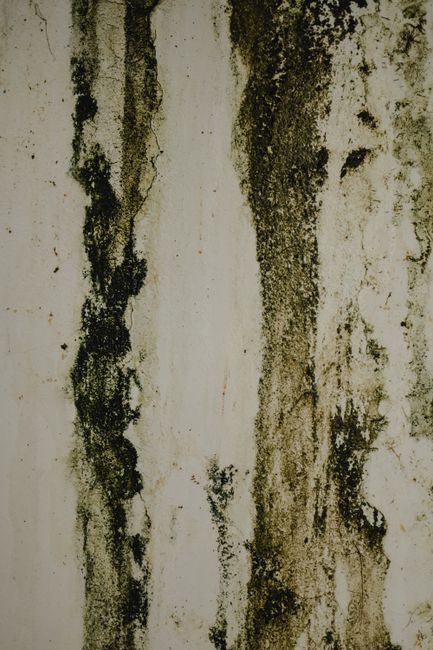
Mold can grow almost anywhere in a home when moisture, oxygen, and an organic food source are present. Drywall paper, wood framing, insulation, carpet, ceiling tiles, and household dust can all support mold growth.
The ten types of mold discussed below are often associated with damp buildings. Some are individual species, while others are groups called genera. Color and appearance alone cannot reliably identify mold. A black stain is not automatically Stachybotrys chartarum, and a light-colored growth is not necessarily harmless.
The more useful questions are:
The EPA states that homeowners can often clean mold covering less than approximately 10 square feet, or an area around 3 feet by 3 feet. Larger or more complicated problems normally require professional mold remediation. The decision should be based on the size, location, materials involved, water source, and health risks, not simply the suspected mold species.EPA mold cleanup guidance
Indoor mold is usually a symptom of an unresolved moisture problem. Common causes include:
Wet building materials should be dried as quickly as possible, preferably within 24 to 48 hours. Mold may begin growing when drywall, insulation, carpet, wood, or ceiling materials remain damp beyond that period.EPA homeowner mold guide
Stachybotrys chartarum is commonly called black mold or toxic black mold. It is usually dark green or black, although color cannot confirm its identity.
This mold tends to grow on cellulose-rich materials that have remained wet for an extended period. Common locations include:
Finding suspected Stachybotrys often points to chronic water damage rather than a brief period of high humidity. It may be discovered behind baseboards, inside wall cavities, below windows, or on drywall affected by a slow leak.
Some Stachybotrys molds can produce mycotoxins under certain conditions. However, the CDC advises that homeowners do not need to identify the exact mold species before removing it. All visible indoor mold should be handled carefully and the moisture source must be corrected.CDC facts about Stachybotrys chartarum
Professional remediation is usually the safer option when suspected black mold covers a large area, has entered a wall cavity, or is growing throughout water-damaged drywall and insulation.
Aspergillus is a large genus containing many species. It may appear green, yellow, brown, gray, white, or black depending on the species and growing conditions.
It can be found on:
Airborne Aspergillus spores are common in indoor and outdoor environments. People with mold allergies may experience nasal irritation, coughing, wheezing, or eye irritation. Certain species can cause more serious infections in people with weakened immune systems or chronic lung conditions.
A small amount on a cleanable bathroom surface may be suitable for DIY cleanup. Extensive growth inside insulation, ductwork, or wall cavities should be evaluated by a professional.
Penicillium often appears as a blue, green, or blue-green powdery growth. It can spread quickly across damp building materials and household contents.
Common locations include:
Some forms of Penicillium are used to make medicines and foods, but that does not make unidentified indoor growth safe to ignore. Indoor exposure can trigger allergic or respiratory symptoms in sensitive people.
Small surface growth on a hard, nonporous material may be cleaned by a homeowner. Moldy carpet padding, insulation, drywall, and other porous materials often need to be removed rather than sprayed or wiped.
Cladosporium is one of the most common molds found indoors and outdoors. It is usually olive green, brown, or black and may have a suede-like or powdery texture.
It may grow on:
Because Cladosporium can grow at cooler temperatures, it is sometimes found around windows, air-conditioning equipment, and refrigerator seals.
A small patch on a sound, washable surface may be cleaned with detergent and water. Recurring growth around windows or vents means the condensation, humidity, or ventilation problem must also be corrected.
Alternaria is commonly found outdoors but can enter homes through open doors, windows, clothing, and ventilation systems. Indoors, it favors damp locations.
Typical problem areas include:
It often appears dark brown, olive, or black and may have a velvety texture. Alternaria is a known allergen and may aggravate asthma or other respiratory conditions in sensitive occupants.
Limited growth on tile or another hard surface may be manageable with DIY cleaning. Widespread contamination or repeated growth following water damage should be professionally evaluated.
Chaetomium is strongly associated with water-damaged cellulose materials. Its color may change from white or gray to brown or black as it matures.
It commonly grows on:
Chaetomium may produce a strong musty odor. Its presence often suggests that a material has remained wet long enough for mold to become established below the surface.
Because it frequently affects porous materials, simply wiping or spraying the visible area may not remove the full growth. Moldy drywall, ceiling tiles, and insulation normally need controlled removal, especially when the contamination extends into a wall or ceiling cavity.
Fusarium is more commonly associated with soil and plants, but it may grow indoors when building materials remain very wet. It can appear white, yellow, pink, reddish, or purple.
Possible indoor locations include:
Some Fusarium species can cause infections, particularly in people with severely weakened immune systems. A medically vulnerable person should not attempt cleanup or remain in the work area.
Professional help is recommended when Fusarium is suspected after flooding or when growth involves large areas of carpet, drywall, insulation, or furnishings.
Mucor is a fast-growing mold that often has a white or gray, fluffy appearance. As it matures, portions may become darker.
It may be found on:
For most healthy people, the primary concerns are irritation and allergic reactions. Certain molds in this broader group can cause serious infections in people with severe immune suppression, uncontrolled diabetes, or other major health conditions.
Small, isolated growth on a hard surface may be cleaned carefully. Growth inside HVAC equipment or throughout porous building materials requires professional attention.
Aureobasidium may begin as a pink, cream, yellow, or light-brown growth before becoming dark brown or black. Its changing color sometimes causes homeowners to mistake it for several different molds.
It is frequently found on:
Contact may irritate the skin, eyes, or respiratory system in sensitive people. Wear gloves, eye protection, and respiratory protection during cleanup.
A small patch on intact caulk, glass, or another washable surface may be cleaned by a homeowner. If it repeatedly returns behind wallpaper or on drywall, moisture may be trapped inside the wall and professional investigation may be needed.
Acremonium typically begins as a small, moist growth and may become powdery. It can appear white, gray, pink, or orange.
Indoor locations may include:
This mold is less commonly recognized by homeowners because it may grow alongside other molds. Certain species can cause opportunistic infections in medically vulnerable people.
Professional remediation is recommended when the growth is extensive, located inside mechanical equipment, or affecting someone with a weakened immune system.
Mold cannot be reliably identified by color, texture, or photographs. Different species can have similar appearances, and the same species may change color as it grows.
The CDC also notes that color does not determine how dangerous a mold is. Routine air sampling is generally not recommended because there are no federal health-based standards defining a safe or unsafe indoor mold-spore count. A visual inspection, moisture investigation, and removal plan are often more useful than trying to name the mold.CDC guidance on mold testing and remediation
If visible mold is present, you already know that moisture and fungal growth need to be addressed.
DIY mold cleanup may be reasonable when all of the following are true:
A small amount of mold on tile, glass, metal, sealed wood, or another hard surface can often be scrubbed with water and detergent and then dried completely.
Repair the leaking pipe, roof, window, foundation, or condensation problem before cleaning. Mold will return if the surface remains damp.
Close doors and keep children and pets away. Do not direct a fan at visible mold because moving air can spread spores into other rooms.
Use:
The CDC advises people with asthma, COPD, or weakened immune systems to stay out of mold-damaged areas, including while cleanup is underway.CDC mold cleanup recommendations
Scrub hard, nonporous surfaces with water and detergent. Dry the area completely after cleaning.
The EPA does not recommend routine use of bleach or other biocides for every mold cleanup. Killing mold does not remove the spores or allergenic material. Physical removal and moisture control are still required.
Never mix bleach with ammonia, acids, or other household cleaners.
Mold can grow into the openings of porous materials, making complete surface cleaning difficult. Depending on the extent of contamination, the following materials may require removal:
Do not simply paint over mold. Paint and primer may temporarily hide the staining, but growth can continue when moisture and contaminated material remain.
The cleaned area should be dry and free from visible mold and musty odors before it is repaired, closed, or painted. Continue checking it for renewed staining or moisture.
Call a qualified professional when any of these conditions apply:
HVAC contamination should be handled by professionals experienced with heating and cooling systems. Large remediation projects may require containment barriers, negative air pressure, HEPA filtration, protective equipment, and controlled disposal procedures.EPA guidance for large and HVAC-related mold problems
Drywall has a gypsum core covered with paper. The paper provides an organic food source, while the porous core can retain moisture. Once mold penetrates the paper or reaches the back of the drywall, surface cleaning may not be enough.
Professional drywall restoration may include:
New drywall should not be installed until the moisture problem is repaired and the framing is adequately dry.
Stachybotrys chartarum, Aspergillus, Penicillium, Cladosporium, Alternaria, Chaetomium, Fusarium, Mucor, Aureobasidium, and Acremonium can all appear in damp homes. Their presence should be taken seriously, but the suspected name or color should not be the only factor guiding cleanup.
A homeowner can often handle a small patch on a washable surface after correcting a minor moisture problem. Larger areas, contaminated porous materials, hidden growth, HVAC involvement, sewage exposure, and risks to medically vulnerable occupants call for professional help.
The goal is not simply to kill or cover the visible mold. The goal is to correct the moisture source, remove contaminated material, dry the structure, and prevent the problem from returning.
No. Many molds can appear black, dark green, or brown. Laboratory analysis is required for species-level identification, but testing is usually unnecessary when visible mold already needs to be removed.
No. Painting over mold does not correct the moisture problem or remove contaminated material. Moldy drywall may need to be cut out and replaced before priming and painting.
The EPA states that an area smaller than approximately 10 square feet can often be handled by a homeowner. Location, water source, affected materials, and occupant health can still make professional remediation the safer choice.
Bleach is not required for every mold cleanup, and the EPA does not recommend routine biocide use. Hard surfaces can often be scrubbed with detergent and water. Porous mold-damaged materials may need to be discarded. Never mix bleach with other cleaners.
Contact a healthcare professional if you develop persistent coughing, wheezing, breathing difficulty, eye irritation, skin irritation, or other symptoms you believe may be related to mold. Seek prompt medical advice if the affected person has asthma, COPD, chronic lung disease, or a weakened immune system.